
The 1974 World Cup: Total Football, Political Shadows and the Rise of a New Football Era
The 1974 FIFA World Cup was one of the most influential tournaments in football history. Hosted by West Germany, the competition introduced the world to a revolutionary style of football, showcased some of the greatest players ever seen and unfolded against a tense political background shaped by the Cold War. More than just a sporting event, the tournament reflected the social and political realities of the 1970s while transforming the tactical direction of football forever.
For many football historians, the 1974 World Cup represented the moment modern football truly arrived. Teams became more organised tactically, players became more versatile and the game evolved from individual brilliance into collective movement and intelligence. Above all, the tournament is remembered for the breathtaking football played by the Netherlands and the leadership of the legendary Johan Cruyff.
Yet the competition also carried political significance. The Cold War divided Europe into ideological camps, military governments ruled parts of the world and football increasingly became intertwined with politics and national identity. The tournament took place in a divided Germany, with both West Germany and East Germany participating as separate nations. Every match carried emotional and symbolic weight beyond football itself.
Hosting Rights and Political Significance
West Germany won the rights to host the 1974 FIFA World Cup in July 1966. At the time, the country was eager to showcase itself as modern, democratic and economically strong. Hosting the World Cup was seen as an opportunity to improve its international image less than three decades after World War II.
The tournament was organised efficiently, with excellent stadiums, transportation systems and security arrangements. Cities such as Munich, Hamburg, Frankfurt and Dortmund became centres of global football attention. The magnificent Olympiastadion hosted several important matches, including the final.
However, politics could not be separated from the tournament. Germany itself was divided into two states: capitalist West Germany and communist East Germany. The Cold War tension between the Eastern Bloc and the Western world gave the competition an unusual political atmosphere. Every success or failure on the pitch was interpreted politically.
The tournament also occurred during a period when military governments and authoritarian regimes existed in several countries around the world. Although West Germany itself was democratic, football at the time was increasingly used by governments as a tool of nationalism and international prestige. Sporting success became a way for states to project power, unity and legitimacy.
One of the most symbolic moments of the entire tournament came when West Germany faced East Germany in the group stage. It was not merely a football match; it was a clash between two political systems. East Germany shocked the world by defeating West Germany 1–0 through a goal by Jürgen Sparwasser. For East Germany, the victory became a propaganda triumph. For West Germany, it was an embarrassment that intensified pressure on the host nation.
Ironically, the defeat may have helped West Germany tactically because it placed them into a more favourable second-round group. Sometimes football history moves in strange ways.
The Group Stages: Emergence of Total Football
The 1974 World Cup featured a unique format. After the initial group stage, successful teams entered a second group stage instead of direct quarter-finals. The winners of the two second-round groups would then advance to the final.
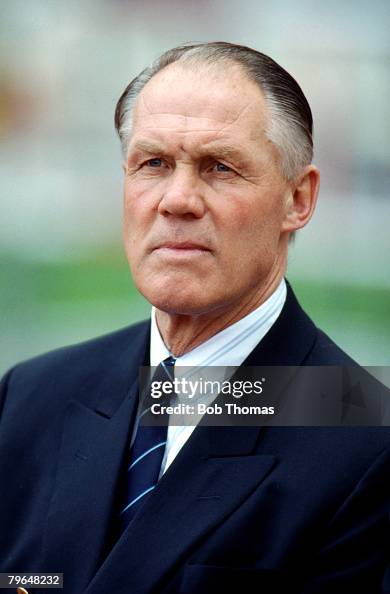
From the beginning, the Netherlands captured the globe by introducing a brand of football known as “Total Football”. Developed primarily by Ajax coach Rinus Michels. Total Football allowed players to interchange positions fluidly while maintaining shape and attacking pressure.
At the heart of this revolution was the Ajax and Barcelona legend Johan Cruyff. Elegant, intelligent and technically brilliant, Cruyff played football almost like an artist. He could dribble, create chances, score goals and control the rhythm of matches with astonishing ease. More importantly, he thought faster than almost every player on the field.
The Dutch demolished opponents with movement and confidence. They defeated Uruguay, drew with Sweden and beat Bulgaria comfortably. Fans around the world were mesmerised by the fluidity of their football. It was not just effective; it was beautiful.
Meanwhile, defending champions Brazil struggled to replicate the magic of previous years. The famous Brazilian flair was still visible, but the team appeared more physical and cautious than the dazzling sides of 1958, 1962 and 1970. Even so, players like Rivelino continued to produce moments of brilliance.
Another major attraction was Poland. Led by the deadly striker Grzegorz Lato and the gifted playmaker Kazimierz Deyna, Poland played exciting attacking football throughout the tournament. Lato’s speed and finishing made him one of the stars of the World Cup, and he eventually finished as the tournament’s top scorer.
Host nation West Germany relied on discipline, strength and experience. Their team included iconic figures such as Franz Beckenbauer, known as “Der Kaiser”, and the prolific striker Gerd Müller. Beckenbauer transformed the sweeper role into something elegant and intelligent, while Müller remained one of the deadliest finishers football had ever seen.
The Second Round and Quarter-Final Atmosphere
Although there were technically no traditional quarter-finals because of the tournament structure, the second group phase effectively served that purpose. The tension increased dramatically as the strongest teams battled for places in the final.
The Netherlands continued their remarkable run by defeating Argentina, East Germany and Brazil. Their 2–0 victory over Brazil symbolised a changing of eras. Brazil, long regarded as football’s artistic master, was outplayed by a Dutch side that combined beauty with tactical sophistication.
Cruyff was extraordinary against Brazil. His dribbling, vision and leadership overwhelmed the South Americans. By the end of the match, many neutral fans had fallen completely in love with the Dutch style.
West Germany also fought their way through difficult matches. They defeated Yugoslavia, Sweden and Poland to secure a place in the final. The match against Poland was especially dramatic. Played on a rain-soaked pitch in Frankfurt, the conditions were almost unplayable. Yet Gerd Müller scored the decisive goal in a tense 1–0 victory.
That semi-final-like clash demonstrated the resilience of the German side. While the Netherlands dazzled the world aesthetically, West Germany represented efficiency, mental toughness and tactical balance.
The Semi-Final Feel of the Tournament
Because of the tournament format, every second-round game felt like a semi-final. There was constant pressure because a single defeat could destroy a team’s hopes.
Poland’s performances were widely admired despite narrowly missing the final. Their energetic football and fearless attacking made them one of the tournament’s most entertaining teams. Grzegorz Lato became a global star, while goalkeeper Jan Tomaszewski delivered heroic performances.
Brazil managed to finish fourth but looked far removed from the glorious teams of Pelé’s era. Their football had become more aggressive and defensive, reflecting how the global game itself was evolving.
Meanwhile, the Netherlands appeared unstoppable. Cruyff became the symbol of football intelligence and freedom. He did not merely play football; he orchestrated it. Watching the Dutch team felt like watching a perfectly synchronised performance where every movement had purpose.
The Final: West Germany vs Netherlands
The final took place on July 7, 1974, in Munich before a massive global audience. It featured the two best teams of the tournament: West Germany and the Netherlands.
The match began dramatically. Before any German player had touched the ball, Johan Cruyff dribbled through the German defence and won a penalty. Johan Neeskens converted calmly to give the Netherlands a 1–0 lead within minutes. At that point, many believed the Dutch would dominate completely.

But West Germany responded with composure and determination. They equalised through a penalty converted by Paul Breitner after Bernd Hölzenbein was fouled. Later, Gerd Müller scored with his trademark instinctive finishing to give West Germany a 2–1 lead before halftime.
The second half became a tactical battle. The Dutch attacked relentlessly, but West Germany defended bravely and intelligently. Franz Beckenbauer’s leadership proved decisive as the Germans held on to secure victory.
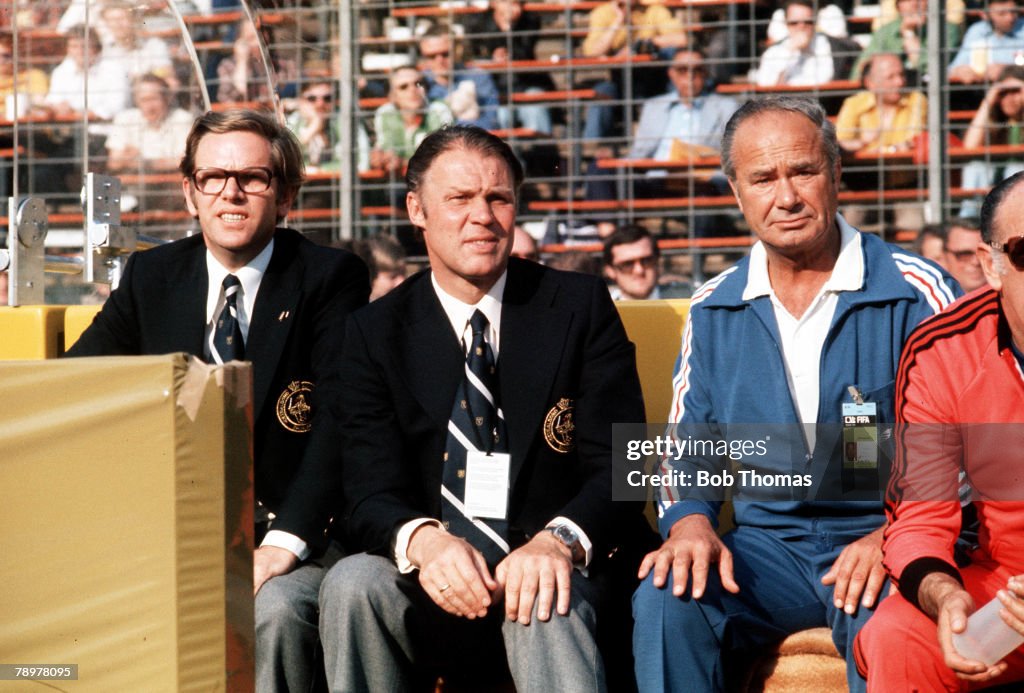
West Germany had won their second World Cup title.
Individual Brilliance and Lasting Legacy
The 1974 World Cup is remembered largely because of the extraordinary quality of its players. Johan Cruyff may not have lifted the trophy, but many still consider him the tournament’s greatest figure. His influence on football tactics and philosophy extended far beyond his playing career.
Franz Beckenbauer cemented his reputation as one of football’s greatest leaders. Calm under pressure and tactically brilliant, he guided West Germany to glory with remarkable authority.
Gerd Müller once again demonstrated why he was among the deadliest strikers ever. His winning goal in the final symbolised his ability to appear at decisive moments.
Grzegorz Lato emerged as one of the surprise stars, while players like Rivelino, Johan Neeskens and Kazimierz Deyna also left lasting impressions.
Most importantly, the tournament permanently changed football tactics. Total Football inspired coaches and teams around the world. Decades later, modern positional football still carries the influence of Cruyff and the Netherlands of 1974.
The World Cup also highlighted how deeply football and politics could intertwine. In a divided Europe shaped by Cold War tensions, football became a stage where nations projected identity, ideology and pride. The tournament showed that football was never simply about goals and trophies. It reflected society itself — its tensions, dreams and transformations.
Today, the 1974 World Cup remains one of the most respected tournaments in football history. It was a competition where artistry met discipline, politics met sport and a new football philosophy reshaped the future of the beautiful game forever.