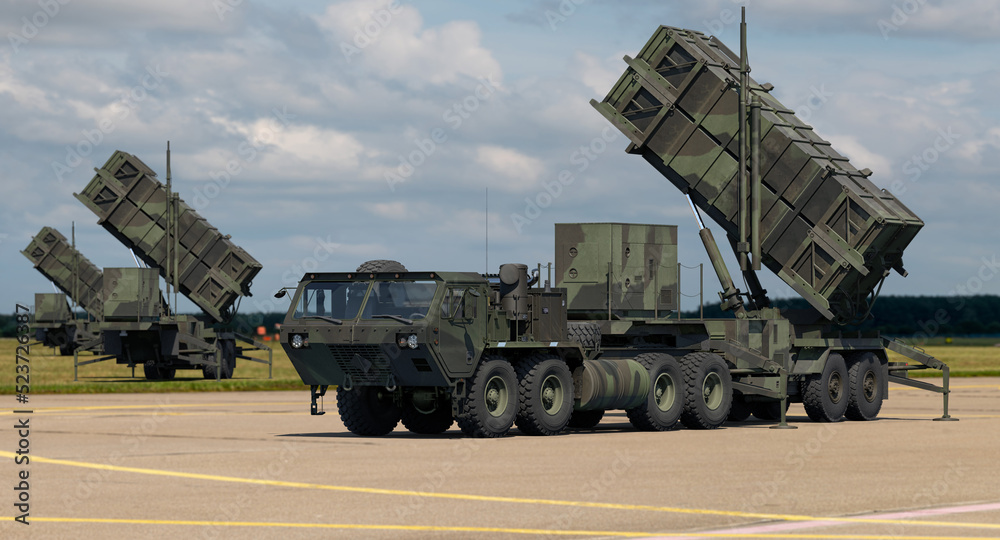
In every war, there are weapons that symbolize not just military capability but also the strategic dilemmas of the era. In today’s conflicts across the Middle East and beyond, few systems illustrate that tension better than the American Patriot air defense system—a technologically advanced shield designed to intercept missiles and drones before they reach their targets.
Each interceptor missile fired from the Patriot system can cost around $4 million. That figure alone tells a powerful story about the economics of modern warfare. It reveals the growing challenge facing technologically advanced militaries: defending against increasingly cheap and numerous threats with systems that remain expensive and complex.
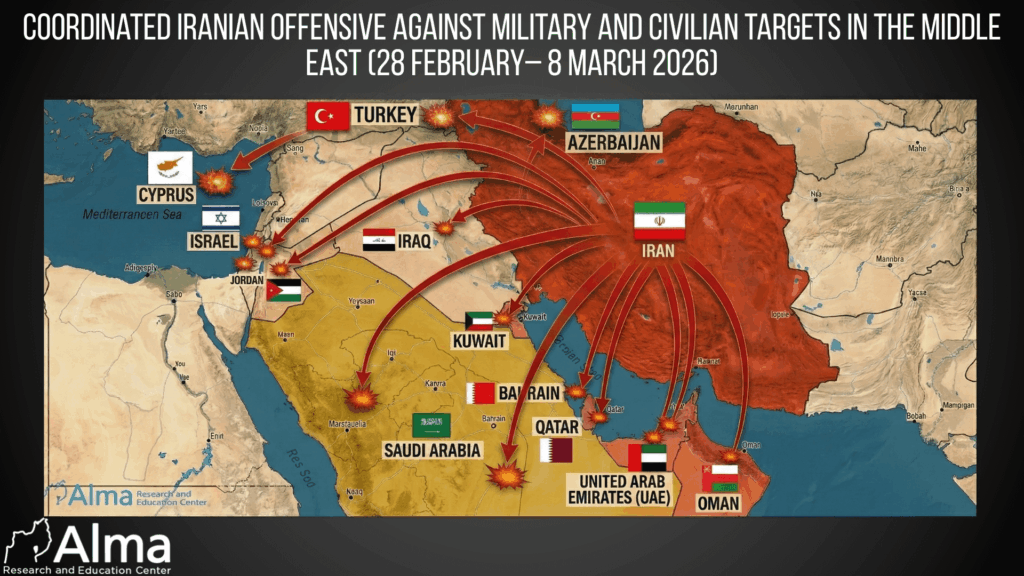
In the ongoing confrontation involving Iran and the United States and its allies, the Patriot system has once again become one of the most visible symbols of defensive military power.
A Shield Born in the Cold War
The Patriot system was originally developed during the Cold War as a way to defend against incoming aircraft and tactical ballistic missiles. Over the decades, it has evolved into one of the most sophisticated air defense systems in the world.
Deployed by the United States and many allied nations, the system uses powerful radar to detect incoming threats, track them in real time, and launch interceptor missiles designed to destroy hostile projectiles in midair.
Its reputation grew significantly during the 1991 Gulf War, when it was used to intercept Iraqi Scud missiles. Since then, upgrades have improved its radar, targeting software, and interception capabilities, enabling it to counter not only ballistic missiles but also cruise missiles and certain drones. Today, the Patriot system remains a cornerstone of American and allied missile defense strategy.
The Cost of Protection
Yet the Patriot system highlights a fundamental paradox of modern warfare: defense is often more expensive than offense. Many of the threats it intercepts — including certain drones or short-range rockets — cost a tiny fraction of the price of the missile used to destroy them. In some cases, the cost difference can be dramatic: a cheap drone costing tens of thousands of dollars might be intercepted by a missile worth millions.
This imbalance forces military planners to confront difficult choices. Should expensive interceptors be used against every incoming threat? Or should some risks be tolerated to conserve resources? The answer is rarely simple. The cost of a destroyed power plant, military base, or civilian infrastructure can far exceed the price of the interceptor used to defend it.
In that sense, the Patriot system represents not just a military tool but also an economic calculation — the price of security in an era of increasingly asymmetric warfare.
A Critical Role in Modern Conflicts
In the Middle East, missile and drone attacks have become a defining feature of regional conflicts. Countries and non-state actors alike have developed increasingly sophisticated weapons capable of striking targets hundreds of kilometres away.
For the United States and its allies, defending against these threats requires layered air defense systems. The Patriot battery plays a central role in this defensive architecture, working alongside other systems designed to intercept threats at different ranges and altitudes.
In situations where tensions escalate rapidly, Patriot batteries can be deployed to protect strategic assets such as military installations, population centres, and critical infrastructure. Their presence serves not only as a defensive measure but also as a deterrent, signalling that potential attacks may be neutralised before they achieve their objectives.
Technology Versus Quantity
The rise of drones and low-cost missiles has challenged traditional air defense strategies. Modern conflicts increasingly feature large numbers of inexpensive weapons launched simultaneously, attempting to overwhelm defensive systems through sheer volume.
In response, advanced defense systems like the Patriot rely on precision, radar sophistication, and rapid response times. Yet even the most advanced technology must contend with the mathematics of saturation attacks. If attackers launch enough projectiles at once, defenders must decide which targets to prioritize and which interceptors to deploy.
This reality has sparked intense debate among military analysts about the future of air defence. Some argue that new technologies — such as directed-energy weapons, lasers, or electronic warfare systems — will be needed to complement expensive interceptor missiles. Others believe the answer lies in improved detection networks and integrated defence systems capable of responding to threats more efficiently.
Symbol of a Changing Battlefield
The Patriot system stands as a reminder that warfare is constantly evolving. What once seemed like cutting-edge technology eventually becomes part of a larger ecosystem of offensive and defensive tools. The growing prominence of drones, loitering munitions, and long-range missiles has transformed the battlefield. Instead of massive tank battles or aerial dogfights, modern conflicts increasingly revolve around precision strikes and the race to intercept them.
In this environment, the Patriot missile represents both the power and the limits of high-tech defence. It can destroy incoming threats travelling at incredible speeds. It can protect cities and bases from devastating attacks. But it also illustrates the enormous financial burden required to maintain that protection.
The Editorial Conclusion
The Patriot air defence system is more than a weapon. It is a symbol of the strategic balancing act that defines modern warfare. On one side are attackers who can deploy increasingly cheap and numerous weapons. On the other side are defenders relying on sophisticated technology to intercept them.
The $4 million interceptor embodies the price of maintaining security in a world where threats are multiplying and technology is rapidly evolving. Ultimately, the lesson of the Patriot system is clear: modern defence is not just about firepower — it is about adaptation, strategy, and the willingness to invest in protection before crisis strikes.
As long as missiles and drones continue to shape conflicts across the Middle East and beyond, the Patriot system will remain a crucial — if costly — guardian of the skies.