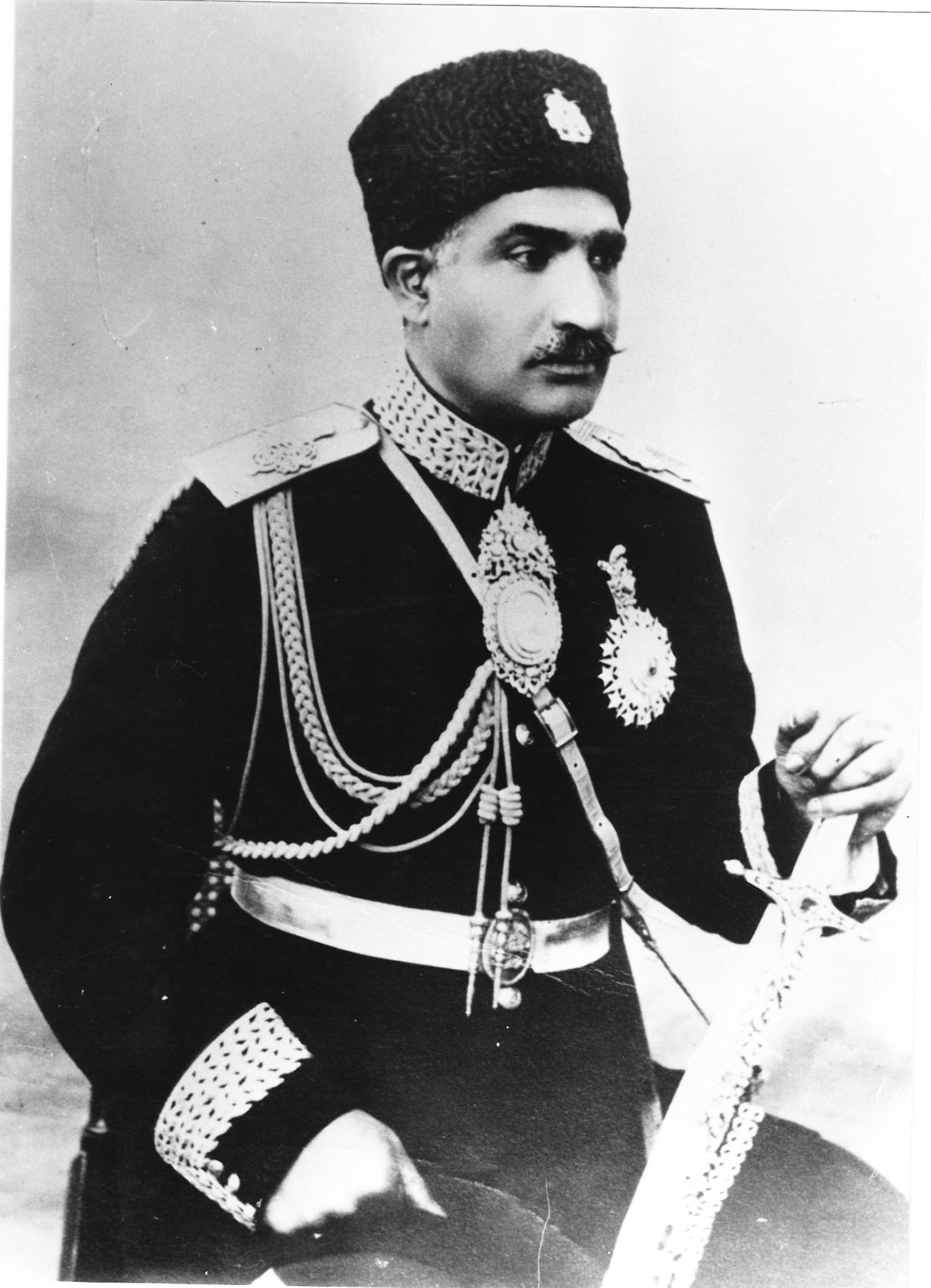
In 1971, Iran’s ruler, Shah Mohammad Reza Pahlavi, hosted an extravagant spectacle to celebrate the 2,500-year anniversary of the Persian Empire. The event, held at the ancient ceremonial capital of Persepolis, was dubbed by contemporaries and later historians as “the greatest party in history”. It featured world leaders, royalty, shining pageantry, and unparalleled displays of wealth—lavish banquets, silk tents stretching for miles, reputations like Maxim’s closing for weeks to serve guests, and grand cultural performances. The celebration was meant to crown Iran’s modern achievements and the Shah’s authority, but instead it crystallised a much deeper crisis under the surface.
A Spectacle of Wealth in a Society of Discontent
At face value, the 1971 celebrations were a demonstration of Iran’s prosperity and global status. The Shah sought to project Iran as a modern, secular, and powerful state — a bridge between Western technology and Eastern heritage. But for many Iranians, the spectacle highlighted the gap between the monarchy’s elite worldview and the lived reality of ordinary citizens.
Despite oil revenue windfalls and ambitious development programmes like the White Revolution (a series of economic and social reforms launched in 1963), many Iranians felt left behind. Rapid urbanisation, inflation, and uneven distribution of wealth meant that much of the population did not share in the fruits of the oil boom. Meanwhile, traditional segments of society – religious communities, bazaar merchants, and rural populations – resented the cultural Westernisation that seemed to accompany the Shah’s policies.
The party’s opulence became a symbol of elite extravagance at precisely the moment when socioeconomic tension was rising—offering a vivid contrast that made deeper grievances harder to ignore.
Political Alienation and the Single-Party State
By the mid-1970s, the Shah had also consolidated political power in ways that alienated many Iranians. In 1975 he established the Rastakhiz Party as the only legal political party, effectively banning political pluralism and forcing all political life into a state-controlled organisation. Although his intent was to streamline governance and mobilise popular support, the effect was the opposite: it curtailed legitimate political expression, deepened resentment among intellectuals and locals, and made opposition appear fundamentally illegitimate and dangerous.
The very idea of a mandated single political party further undermined the Shah’s legitimacy in the eyes of many citizens, who saw it as symptomatic of an authoritarian regime removed from their needs and values.
Cultural Backlash and Religious Opposition
To many Iranians — particularly clerics and religious communities — the celebrations and the Shah’s policies represented not just wealth but also cultural subjugation. The regime was seen as excessively westernised, diminishing Islamic traditions and marginalising the influence of religious institutions. This cultural alienation empowered clerical leaders — especially Ruhollah Khomeini, who, from his exile, denounced the monarch as corrupt and beholden to Western powers.
Khomeini’s message resonated broadly, not only with devout believers but also with secular critics of the regime’s authoritarianism and foreign dependency. As dissatisfaction grew, his voice became a rallying point for diverse and otherwise disparate opposition groups.
The Inevitable Confluence of Crises
While the 1971 party did not directly cause the revolution, it crystallised and magnified existing discontent and symbolised the wider cultural, political, and economic rifts in Iranian society. By the late 1970s, several intersecting dynamics made the monarchy increasingly untenable:
-
Economic strains—inflation and social inequality, despite oil revenue.
-
Political repression—SAVAK, the Shah’s secret police, suppressed dissent and created fear and resentment.
-
Cultural alienation—rapid modernisation clashed with traditional values, especially among religious communities.
-
Loss of legitimacy—the single-party system and lack of political freedoms made peaceful political participation impossible.
By 1978, small protests had grown into nationwide demonstrations. A pattern of protest – state violence – more protest emerged, particularly after incidents like the so-called Black Friday massacre, when government forces killed dozens of demonstrators, a turning point that further radicalised the opposition and hastened the monarchy’s collapse.
From Celebration to Revolution
In January 1979, facing relentless protest and with his authority eroding, the Shah left Iran—ostensibly for medical treatment—and never returned. Within weeks, Khomeini returned from exile and assumed power, and the monarchy was formally abolished. The Islamic Republic was established by referendum on 1 April 1979, marking the definitive end of Pahlavi rule.
Legacy: A Party That Became a Metaphor
The 1971 celebrations endure in history not merely for their extravagance but for how they came to represent everything the Shah’s regime had misjudged. Instead of solidifying his rule, they highlighted the deep social divisions and growing mistrust of his leadership — and set conditions in which a broad-based revolution, led by Khomeini, could succeed.
The “greatest party in history” thus became more than a historical spectacle. It became, in the memories of many Iranians, a symbol of disconnect—between rulers and ruled, between Westernised elites and everyday citizens—and a stark marker of how dramatic displays of wealth amid societal strain can accelerate the very downfall they were meant to prevent.
In summary: The 1971 celebrations did not single-handedly topple the Shah, but they crystallised popular resentment and became an enduring symbol of a regime increasingly out of touch with its people, helping to accelerate the 1979 revolution that ultimately brought about the fall of the monarchy and the rise of the Islamic Republic.


